
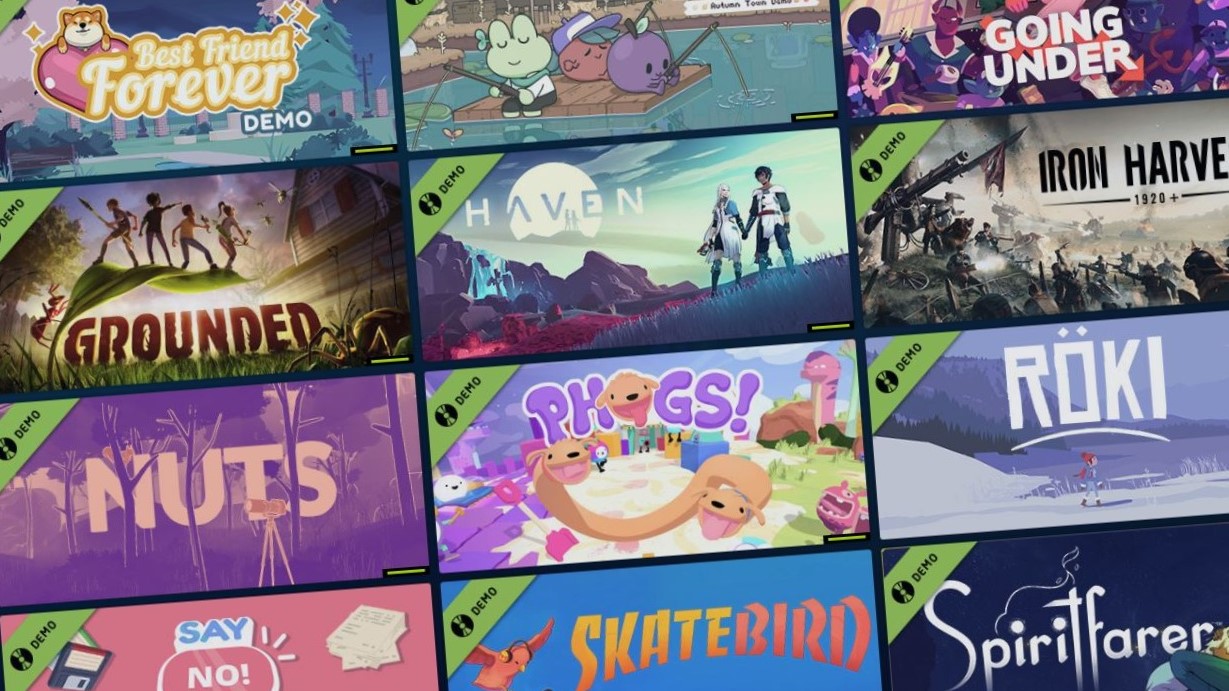
Another Steam Next Fest is done. Much to the relief of sweat-drenched marketing teams everywhere. Alot of the recent discourse around Next Fest focused on the sheer number of AI games hurriedly thrown in, adding more fish to an already full pond. Something I’ve been thinking about recently is the growing risk of AI-assisted game cloning and what that could mean for indie developers and their marketing strategies.
We’re reaching a point where AI can significantly accelerate the process of reverse-engineering games, recreating mechanics, and producing functional copies of existing concepts. In some cases, these copies could potentially reach the market before the original game is even released.
Imagine a two-person indie team spending several years developing a game with an interesting, easily replicated concept. They release a demo to build awareness and wishlists, only for a larger, better-resourced company to use AI-assisted tools to replicate the experience and release a competing product before the original developers can finish theirs.
That presents a very real commercial risk, particularly when the appeal of a game revolves around a relatively simple but compelling mechanic.
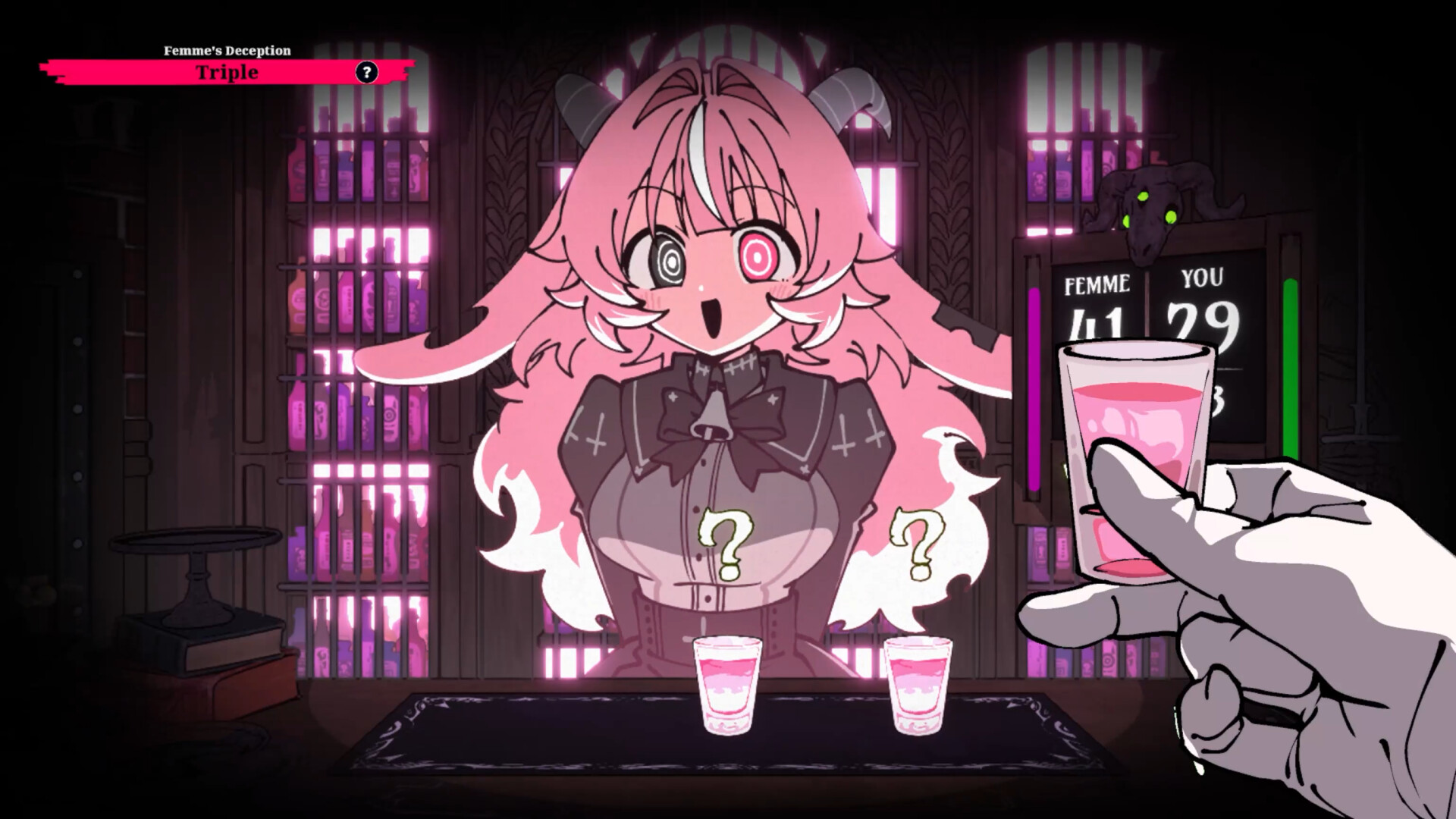
We’re already seeing developers respond to this threat. Digital Sun recently restricted public playtesting for ReVamp, while Alliance Arts withdrew its planned public demo for Drunken Goddess Reflux, citing concerns about their games being copied before release. Many publishers, especially indie game publishers, are begin to sound the horn on this issue too.
So, does this change how we should approach demos?
Potentially, yes.
For years, demos have become an increasingly important part of game marketing, particularly through Steam Next Fest. They’ve been an effective way to generate wishlists, build communities, secure creator coverage, and demonstrate a game’s potential. All this to say it’s almost a perfect direct-to-consumer channel.
However, I think we may need to reconsider the assumption that releasing a public demo months before launch, and leaving it permanently available, is always the right approach.
For certain games, we might see a shift towards shorter, more strategically timed demo windows, perhaps exclusively around Next Fest or in the final weeks before launch.
Alternatively, we could see developers returning to approaches that were more common eight to ten years ago, where public demos weren’t necessarily a central part of pre-launch marketing. Instead, developers might rely more heavily on trailers, selective creator previews, and closed beta tests with controlled access.
Of course, restricting a demo doesn’t eliminate the risk. Once a build has been downloaded, removing it from Steam doesn’t magically make it inaccessible to someone determined to reverse-engineer it.
But I also think we need to be careful not to overreact.
Game cloning isn’t new.
It’s been prevalent in mobile gaming for years, and PC gaming has always had developers chasing popular concepts and trends. Look at how quickly successful games inspire waves of similar titles.
What’s changing isn’t necessarily the motivation to copy games, but the speed, accessibility, and potentially the cost of doing so.
There’s also an important distinction between someone stealing actual game code and someone using AI to recreate a similar experience. Both can present commercial challenges, but they aren’t necessarily the same thing.
And let’s not forget that visibility is one of the biggest challenges facing indie developers. Removing demos entirely could create more problems than it solves, particularly for smaller studios that rely on them to attract attention in an increasingly competitive market.
Ultimately, I don’t think the answer is to stop releasing demos. It’s to stop treating them as an automatic requirement.
Every game is different.
A mechanically complex RPG with dozens of interconnected systems faces very different risks from a game built around one easily replicated mechanic.
For some developers, the benefits of releasing a public demo six months before launch will far outweigh the risks. For others, particularly those with highly marketable concepts that can be reproduced relatively quickly, the opposite might be true.
As marketers, I think our responsibility is to weigh those risks against the commercial benefits and build strategies appropriate to each project.
Perhaps the biggest change is that the timing and accessibility of a demo may become just as important as the demo itself, or indeed, whether one is even needed given how easy the Steam refund process is.
It’ll be interesting to see how this develops, particularly as AI-assisted development tools continue to improve and if we find more cases of real damage to developers. But it is certainly a new kind of issue, not the same as traditional clone games or consumer piracy, even though I have seen many claim parallels; the threat is real and could be financially devastating under the right circumstances. It will be critical for developers everywhere to carefull plan how and if they now implement a demo as part of the marketing framework moving forward.